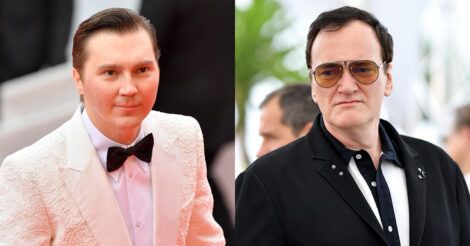
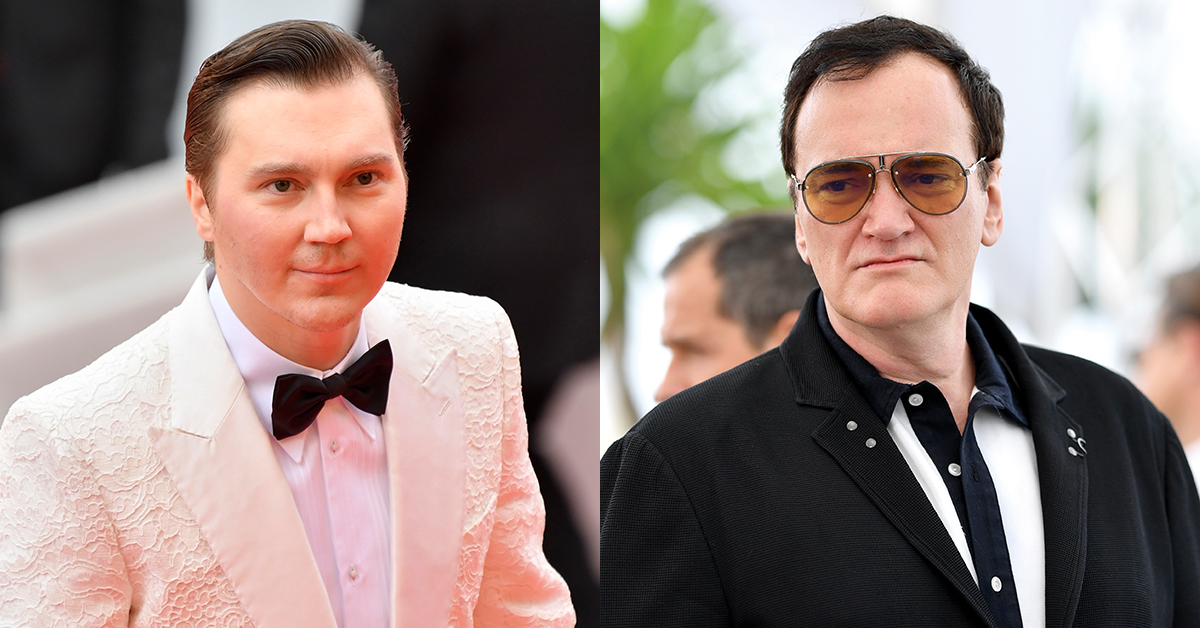
Paul Dano has never been an actor who courts controversy. His performances tend to speak quietly but linger loudly, often revealing emotional depth rather than spectacle. So when Quentin Tarantino publicly dismissed him as a “weak” and “uninteresting” actor, the remark landed with more shock than agreement — especially among those who have worked closely with Dano over the years.
The comments surfaced in an interview last month, with Tarantino, 62, offering a blunt critique of the 41-year-old actor best known for his roles in There Will Be Blood, Little Miss Sunshine, and The Batman. While the filmmaker’s outspoken style is nothing new, the unusually harsh nature of the comments immediately sparked backlash across the industry.
Dano addressed the moment while attending a 20th anniversary screening of Little Miss Sunshine at the 2026 Sundance Film Festival. When asked about Tarantino’s remarks, the actor opted for grace — and restraint.
Before Dano could respond, however, his Little Miss Sunshine co-star Toni Collette jumped in with an unfiltered defense.
“Are we really going there? F–k that guy! He must’ve been high… it was just confusing. Who does that?” Collette told Variety.
The moment was emblematic of what followed: a swift and vocal show of support from collaborators, fans, and filmmakers alike. Though Dano didn’t directly address Tarantino’s criticism, he acknowledged the wave of solidarity that came afterward.
“That was really nice,” Dano said. “I was also incredibly grateful that the world spoke up for me so I didn’t have to.”
That sentiment echoed throughout the event, particularly from the creative team behind Little Miss Sunshine. Directors Jonathan Dayton and Valerie Faris didn’t mince words when weighing in on the situation.
Jonathan called Tarantino’s comments an “embarrassment,” adding, “I can only think that his rawness of his performance made Tarantino uncomfortable. He couldn’t be easily filed.”
Valerie added a more personal observation: “You know what was interesting was the people coming out to defend Paul. There was immediately… he is loved by so many. He is so smart.”
The reaction speaks to Dano’s reputation in Hollywood — not just as a talented actor, but as a deeply respected collaborator. His career has been defined by challenging roles that often avoid easy categorization, from emotionally fractured sons to unsettling antagonists. That willingness to explore discomfort has long been his calling card.
In an industry that often prioritizes volume over nuance, Dano’s quiet intensity has aged remarkably well. And if Tarantino’s comments were intended to diminish that legacy, the response had the opposite effect.
Instead of igniting controversy around Dano’s abilities, the moment highlighted something far more telling: the loyalty and admiration he commands among peers who know his work best.
As Sundance celebrated the enduring impact of Little Miss Sunshine, the consensus in the room was clear. Paul Dano didn’t need to defend himself — because his work, and his community, already had.