Bad Bunny didn’t just headline the Super Bowl Halftime Show — he redefined it.
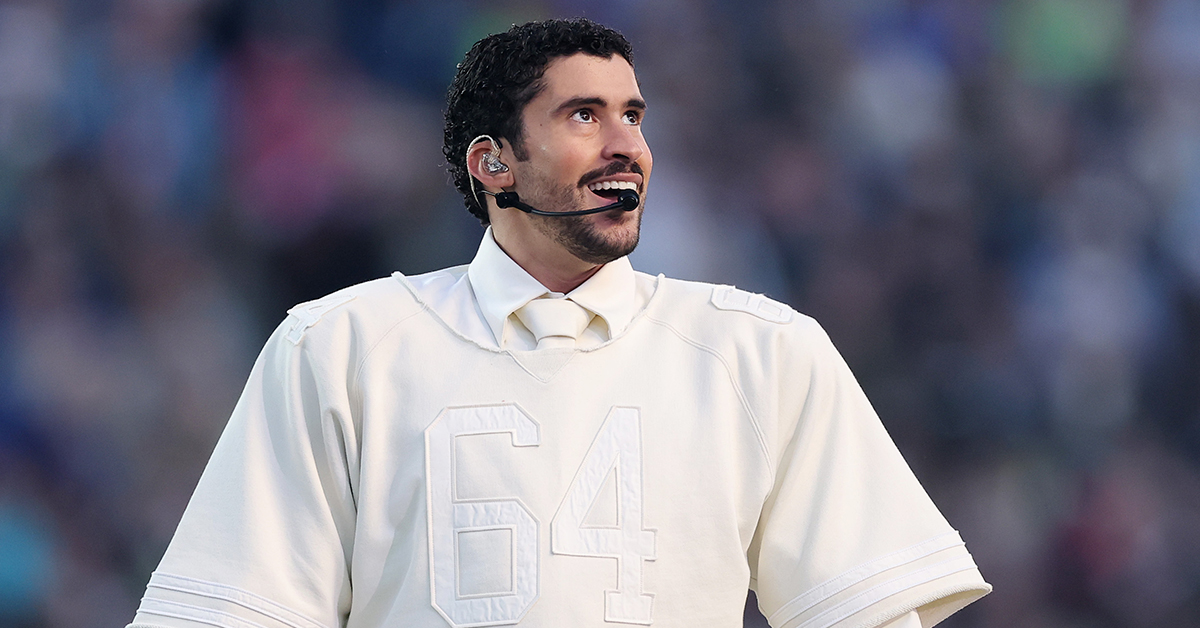
On Sunday night (February 8), the global superstar took over the 2026 Super Bowl halftime stage at Levi’s Stadium in Santa Clara, California, delivering a performance that was equal parts spectacle, storytelling, and cultural statement. Dressed head-to-toe in a custom Zara look, Bad Bunny transformed the biggest stage in sports into a celebration of Puerto Rican identity, Latin music, and unapologetic artistry.
The setlist was built around selections from his latest album, DeBÍ TiRAR MáS FOToS, alongside career-defining hits that fans across generations instantly recognized. Much like his world tour and record-breaking Puerto Rico residency, the performance centered on a deeply intentional visual motif: “La Casita,” a traditional rural Puerto Rican house that served as both a literal set piece and a symbolic anchor for the night.
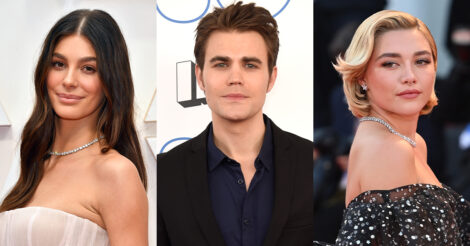
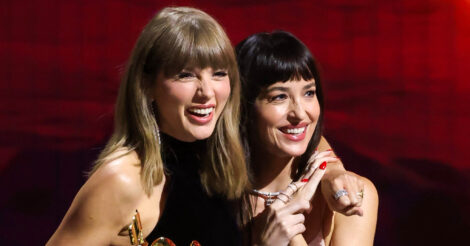
As the performance unfolded, the house became a gathering place — not just for music, but for community. A constellation of stars appeared throughout the show, including Pedro Pascal, Karol G, Cardi B, and Jessica Alba, each adding to the sense that this wasn’t just a halftime show, but a shared cultural moment.
Bad Bunny kicked things off with the instantly electric “Tití me preguntó,” launching the audience into a tightly choreographed narrative arc that followed a full-circle love story — from flirtation to commitment, from proposal to wedding. Tracks like “Yo perreo sola” and “EoO” kept the energy high, while the transitions between songs were seamless, cinematic, and emotionally grounded.
Then came one of the night’s most unexpected moments: Lady Gaga emerged on stage for a Latin-inspired rendition of “Die With a Smile.” Bad Bunny danced alongside the newly married couple, turning the performance into a playful, joyful interlude that felt celebratory rather than gimmicky.
As the show progressed, he moved into “BAILE INoLVIDABLE” and “NUEVAYoL,” grounding the spectacle in rhythm and nostalgia. But the most emotional high point came with another surprise appearance: Ricky Martin stepped onstage to perform “LO QUE LE PASÓ A HAWAii,” as Bad Bunny transitioned from “El apagón” into “DtMF.”
The moment was powerful — not just musically, but symbolically. Two generations of Puerto Rican icons sharing the Super Bowl stage felt historic, intentional, and deeply resonant. It was a reminder that Bad Bunny’s success doesn’t exist in isolation; it’s part of a lineage.
More than fireworks or viral moments, what made this halftime show unforgettable was its clarity of vision. Every element — the set design, guest appearances, wardrobe, and song selection — worked together to tell a story about heritage, evolution, and pride.
Bad Bunny didn’t dilute his identity to fit the Super Bowl. He expanded the Super Bowl to fit him. And in doing so, he delivered one of the most culturally significant halftime performances in recent memory.