
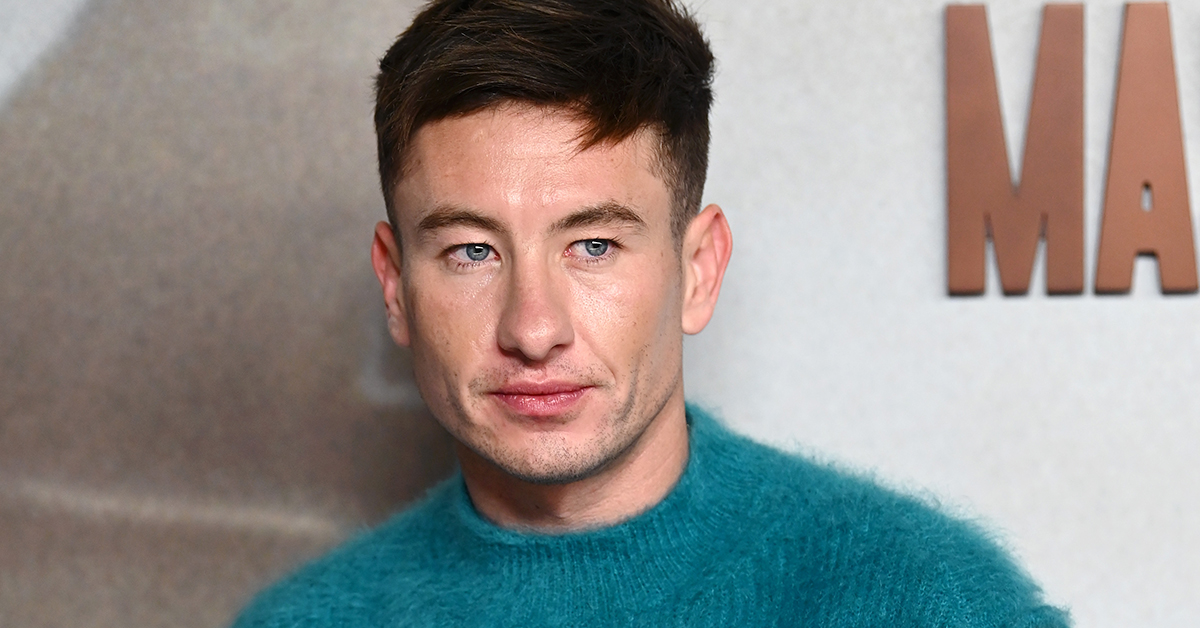
Barry Keoghan is getting candid about the darker side of visibility.
The Oscar-nominated actor recently opened up about how online criticism—particularly comments targeting his appearance—has begun to impact both his personal life and his relationship with his work. Speaking on SiriusXM’s The Morning Mash Up, Keoghan offered a rare, unfiltered look at the emotional toll that sustained online negativity can take.
“I think I removed myself from online, but I’m still a curious human being that wants to go on and, if I attend an event or if I go somewhere, you want to see how it was received. And it’s not nice,” Barry said. “There’s a lot of hate online. It’s a lot of abuse of how I look.”
Keoghan’s comments reflect a growing tension faced by many actors navigating the digital age: the desire to stay connected and informed versus the reality of encountering unfiltered, often harsh public opinion.
For Keoghan, the impact has gone beyond discomfort—it’s begun to shape his behavior in tangible ways.
The actor admitted that the negativity has made him “shy away” from public appearances and social situations altogether. “And I say this being absolute pure and honest to you. It’s becoming a problem,” he shared. “So yeah, I don’t have to hide away because I am hiding away. I don’t have to go to places because I actually don’t go to places because of these things.”
That level of withdrawal, he suggested, has started to affect more than just his public presence. It’s beginning to touch the work itself.
“But when that starts leaking into your art, it becomes a problem because then you don’t even want to be on screen anymore.”
The statement underscores the deeper consequences of sustained online criticism—not just on mental health, but on creative output and professional longevity.
Compounding the issue is a more personal concern. Keoghan also reflected on how the online discourse could affect his young son in the future.
“It is disappointing for the fans, but it’s also disappointing that my little boy has to read all of this stuff when he gets older,” Barry shared.
The comment adds another layer to the conversation, shifting it from individual experience to generational impact—how the digital footprint of public figures can extend into their families’ lives.
Keoghan’s openness arrives at a time when discussions around online behavior, accountability, and mental health are increasingly front and center. His experience echoes a broader industry reality: the same platforms that amplify visibility can also intensify scrutiny.