
Cambridge Dictionary has crowned its Word of the Year for 2025, and the winning term perfectly captures the way we talk about celebrity, fandom, and even artificial intelligence. The word? “Parasocial.” And yes — if you’ve been following the cultural moment swirling around Taylor Swift and Travis Kelce, you already know why it’s having such a breakout year.
While the word “parasocial” isn’t new, its presence in everyday conversation has skyrocketed. Online, it’s used to describe the emotional bond people form with someone they don’t actually know — whether that’s a celebrity, a fictional character, or even an AI companion. Cambridge officially defines it as a connection “involving or relating to a connection that someone feels between themselves and a famous person they do not know, a character in a book, film, TV series, etc, or an artificial intelligence.”
In its release announcing the selection, Cambridge University Press & Assessment points directly to how digital culture has blurred the line between connection and projection — especially within fandoms. And to no one’s surprise, Taylor Swift is at the center of the conversation.
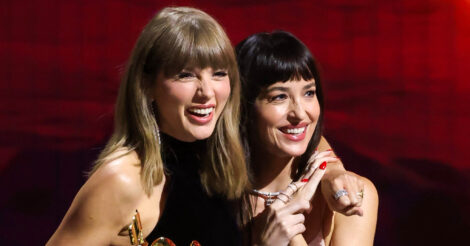
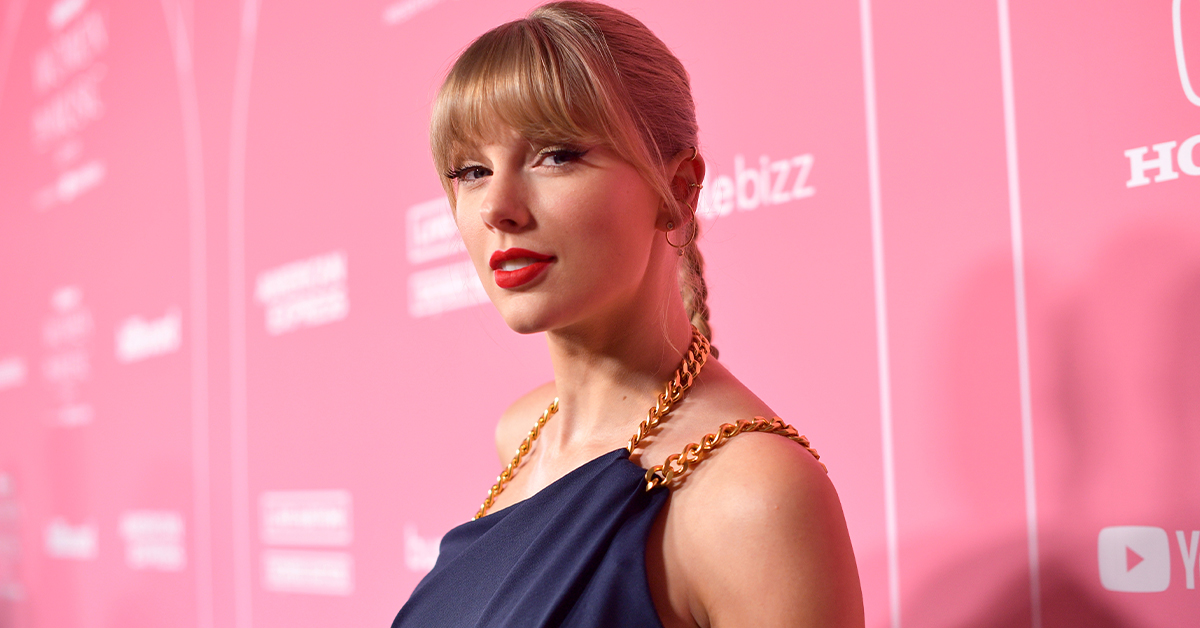
“Millions of fans related to Taylor Swift’s confessional lyrics about dating, heartbreak and desire, leading to what psychologists describe as ‘parasocial’ bonds with stars. When Taylor Swift and Travis Kelce announced their engagement, many fans felt a deep connection to the singer and American footballer, even though most had never met them,” the announcement reads.
It’s a striking observation — one that reflects just how intensely fans have followed Swift’s life, both on and off stage. Her music narrates emotions with a level of intimacy that makes listeners feel like they’re part of her actual inner circle. And in the age of social media, those feelings only deepen.
Cambridge also notes a second rising force shaping the meaning of the word: AI. As chatbots and virtual assistants grow more conversational (and more human-like), people have begun turning to them not only for tasks, but for comfort, companionship, and connection.
They explain that many now use AI as “a confidant, friend or even romantic partner,” further blurring boundaries around emotional attachment.
But of course, “parasocial” doesn’t always describe a harmless crush or harmless online obsessions. It can also speak to toxicity. Cambridge points to recent moments when artists themselves have addressed the darker edge of fan interactions — including Chappell Roan, who recently called out invasive and inappropriate fan behavior.
“The rise of parasocial relationships has redefined fandom, celebrity and, with AI, how ordinary people interact online,” said Simone Schnall of the University of Cambridge, summarizing the cultural shift that ultimately secured the term’s Word of the Year status.
In 2025, “parasocial” isn’t just a buzzword; it’s a mirror reflecting how we relate to the people we adore, the stories we consume, and the technology becoming part of our emotional lives. And with celebrities continuing to open their world to fans and AI becoming more personalized by the day, this word feels less like a trend and more like a sign of where our culture is headed.