

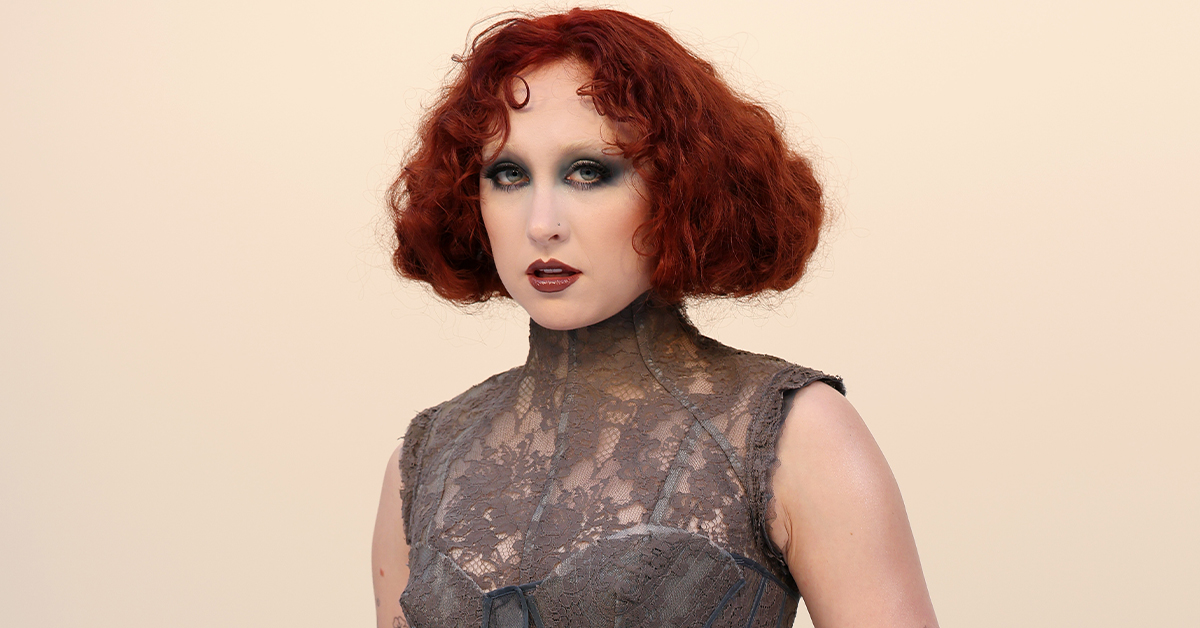
The situation surrounding Chappell Roan’s recent Brazil controversy is continuing to evolve—with new statements adding further layers to an already complex story.
Following initial claims made by Brazilian soccer player Jorginho Frello regarding an alleged incident involving his 11-year-old daughter, Roan’s team has now formally addressed the situation, reinforcing the artist’s earlier denial of involvement.
If you missed it, the controversy began after Frello accused the 28-year-old singer of being connected to an encounter at a São Paulo hotel that left his daughter upset. Roan previously responded, stating she had no awareness of the interaction and was not involved.
“I did not ask the security guard to go up and talk to this mother and child,” she said.
Now, her representative is echoing that position in a more formal statement.
“Chappell holds her own teams to the highest standards,” her rep reportedly told Page Six on Monday (March 23), adding that she has “zero tolerance for aggressive behavior toward her or her fans.”
The statement further clarified the situation, emphasizing that Roan was not present for—or aware of—the interaction in question.
“Chappell was not aware of any interaction between this mother/daughter and a third-party security office…She did not see them at breakfast in her hotel, as she said in her video…She did not direct her personal security or anyone on her team to interact with them.”
The narrative took another turn when the security guard at the center of the incident publicly addressed the situation himself.
In a statement posted to Instagram, the individual—identified as Pascal—pushed back against some of the circulating claims while also taking responsibility for his actions.
“I do not normally address online rumors, but the accusations currently circulating are false and constitute defamation,” Pascal wrote.
He went on to clarify his role and affiliation, stating that he was not part of Roan’s official team.
“I take full responsibility for the interactions on March 21st. I was at the hotel on behalf of another individual, and I was not part of the personal security team of Chappell Roan. The actions I took were not on behalf of Chappell Roan, her personal security team, her management, or any other individuals,” he continued.
Pascal also explained the reasoning behind his actions, suggesting they were based on situational judgment rather than direction from the artist.
“I made a judgment call based on information we obtained from the hotel, events I had witnessed in the days prior and the heightened overall security risk of our location. My sole interaction with the mother was calm and with good intentions, and the outcome of the encounter is regretful.”
With multiple perspectives now on record—from Roan, her team, the security guard, and the family involved—the situation has become a case study in how quickly narratives can form and shift in the digital age.
What remains clear is that the incident has sparked a broader conversation around accountability, perception, and the role of third-party personnel in public-facing environments.
For Roan, the focus now appears to be on clarifying her position and distancing herself from actions she maintains were not hers.