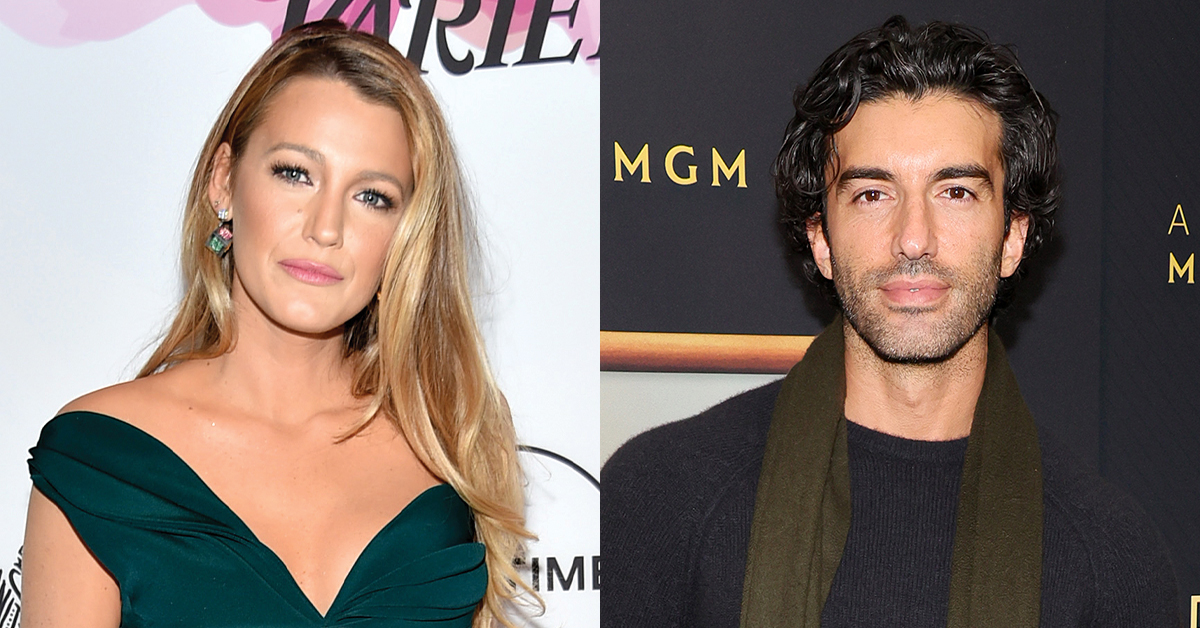
A closely watched Hollywood legal battle has shifted significantly in Justin Baldoni’s favor after a federal judge dismissed the majority of Blake Lively’s claims in her lawsuit tied to their film It Ends With Us.
In a detailed ruling, Judge Lewis Liman threw out 10 of the 13 allegations brought forward by Lively—including her claims of sexual harassment and defamation—marking a major legal win for Baldoni. The judge allowed three claims to proceed—breach of contract, retaliation, and aiding and abetting in retaliation—which are now set to go to trial in New York on May 18.
The case, which began in 2024, stems from Lively’s allegations that Baldoni engaged in inappropriate behavior on set and later participated in a campaign to damage her reputation. Baldoni has consistently denied those accusations, and the court’s latest decision appears to validate key parts of his defense.
In his 152-page opinion, Judge Liman outlined several reasons for dismissing the bulk of Lively’s claims, many of which centered on legal and jurisdictional issues—but also raised broader questions about the strength and applicability of her case.
One of the most pivotal points was location. While Lively filed her harassment claims under California law, the alleged incidents took place in New Jersey. As Liman wrote, “None of these acts or occurrences provides the ‘substantial connection’ to California needed to sustain Lively’s sexual harassment claims.”
The judge also determined that Lively’s status as an independent contractor—not a traditional employee—limited her ability to bring certain workplace-related claims, including aspects of harassment and retaliation typically tied to employment law protections.
Additionally, Lively’s defamation claims against Baldoni’s attorney, Bryan Freedman, were dismissed. The court found that the statements in question were made in direct response to ongoing litigation, placing them within legally protected boundaries.
Taken together, the ruling significantly narrows the scope of the case and removes some of its most serious allegations—an outcome that Baldoni’s legal team welcomed.
In a statement, his attorneys said they were “grateful to the Court for its careful review of the facts, law and voluminous evidence that was provided,” signaling confidence in the direction the case is heading.
Lively’s legal team, however, maintains that the remaining claims are central to her argument. Attorney Sigrid McCawley told the BBC the case “has always been and will remain focused on the devastating retaliation and the extraordinary steps the defendants took to destroy” the actress’ reputation.
She also emphasized that the dismissal of the sexual harassment claims was procedural rather than substantive, stating it occurred “not because the defendants did nothing wrong”, but due to technical legal limitations.
Still, the court did leave room for part of Lively’s argument to move forward—particularly her claims that Baldoni and his associates engaged in a “co-ordinated campaign” to harm her public image. Judge Liman acknowledged that while hiring public relations professionals is standard practice, “certain conduct at least arguably crossed the line.”
The lawsuit is just one piece of a larger legal clash between the two actors. Baldoni previously filed a $400 million counter-lawsuit against Lively, her husband Ryan Reynolds, and others, accusing them of defamation and attempting to damage his career. That case was dismissed earlier this year, with the judge ruling that the claims did not sufficiently establish wrongdoing.
As it stands, both sides head toward trial with narrowed claims—but notably, with Baldoni having successfully eliminated the most severe accusations from the case.
With Lively expected to testify and both camps preparing for what comes next, the trial is shaping up to be less about initial headlines and more about the specific, legally actionable claims that remain.
And after this latest ruling, the balance of momentum—at least for now—appears to have shifted.