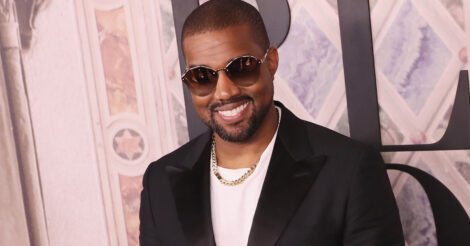
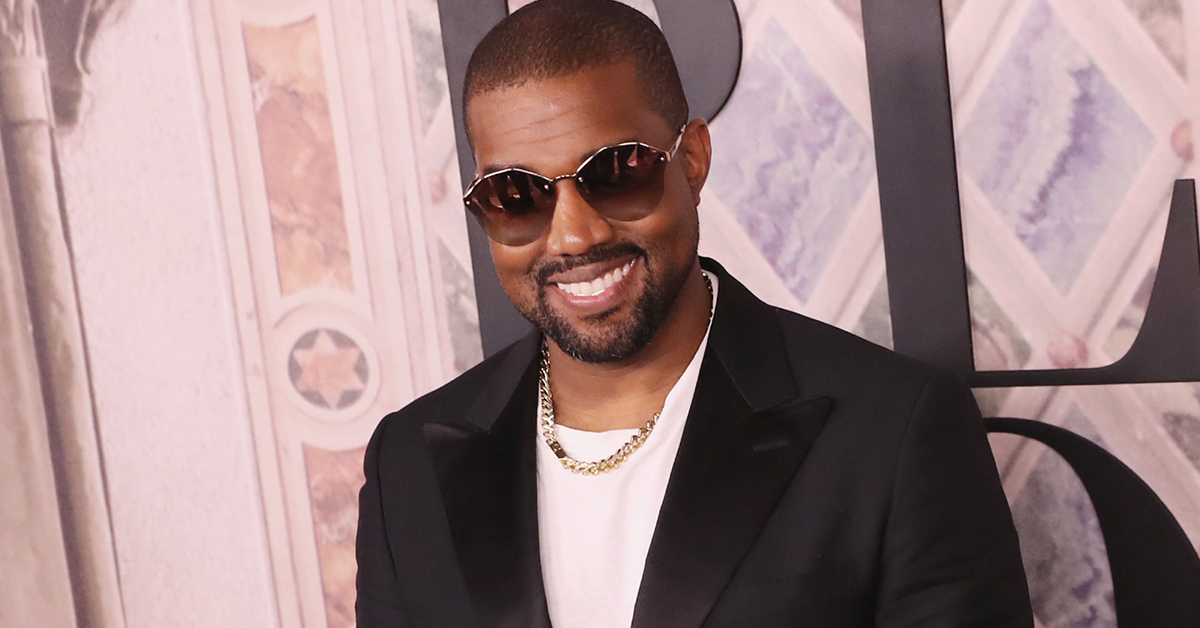
A major London music event has been called off entirely after a wave of backlash, sponsor withdrawals, and a decisive move by UK officials to block Kanye West—also known as Ye—from entering the country.
Wireless Festival, one of the UK’s biggest annual music events, had initially announced West as a headliner for its July 10–12 lineup. Almost immediately, the decision sparked intense criticism from Jewish organizations, political figures, and the public, largely due to West’s history of antisemitic remarks in recent years.
That criticism quickly escalated into tangible consequences. Major sponsors Pepsi and Diageo withdrew their support, significantly impacting the viability of the event. UK Prime Minister Keir Starmer also weighed in publicly, calling the booking “deeply concerning.”
The situation reached a turning point when British officials ultimately barred West from entering the UK, citing that his presence would not align with the public good.
Starmer doubled down on that stance in a statement posted on X, saying West “should never have been invited to headline Wireless.”
“This Government stands firmly with the Jewish community, and we will not stop in our fight to confront and defeat the poison of antisemitism,” he added. “We will always take the action necessary to protect the public and uphold our values.”
With its headliner unable to perform and mounting pressure from all sides, organizers Festival Republic made the call to cancel the event altogether.
“Wireless Festival is cancelled and refunds will be issued to all ticket holders,” the company confirmed.
In their statement, organizers also addressed the broader context: “Antisemitism in all its forms is abhorrent, and we recognise the real and personal impact these issues have had. As YE said today, he acknowledges that words alone are not enough, and in spite of this still hopes to be given the opportunity to begin a conversation with the Jewish community in the UK.”
West himself had issued a statement prior to the cancellation, attempting to address the controversy. “My only goal is to come to London and present a show of change, bringing unity, peace, and love through my music,” he said.
“I would be grateful for the opportunity to meet with members of the Jewish community in the UK in person, to listen,” he continued. “I know words aren’t enough – I’ll have to show change through my actions. If you’re open, I’m here.”
Despite those remarks, advocacy groups supported the government’s decision. The Campaign Against Antisemitism said officials “has clearly made the right decision,” adding, “Someone who has boasted of making tens of millions of dollars from selling swastika t-shirts and who released a song called ‘Heil Hitler’ just months ago clearly would not be conducive to the public good in the UK.”
Similarly, the Board of Deputies of British Jews welcomed the move, with president Phil Rosenberg stating, “It is deeply regrettable that Wireless Festival invited him in the first place and then doubled down when the Jewish community and our allies objected.”
With attendance typically reaching up to 150,000 people, Wireless Festival’s cancellation marks a significant moment—not just for the music industry, but for the growing intersection of entertainment, accountability, and public values.