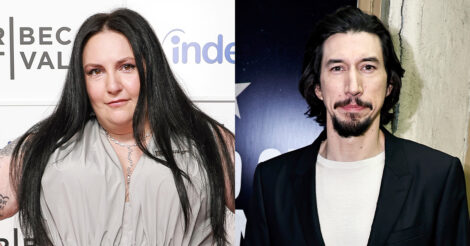
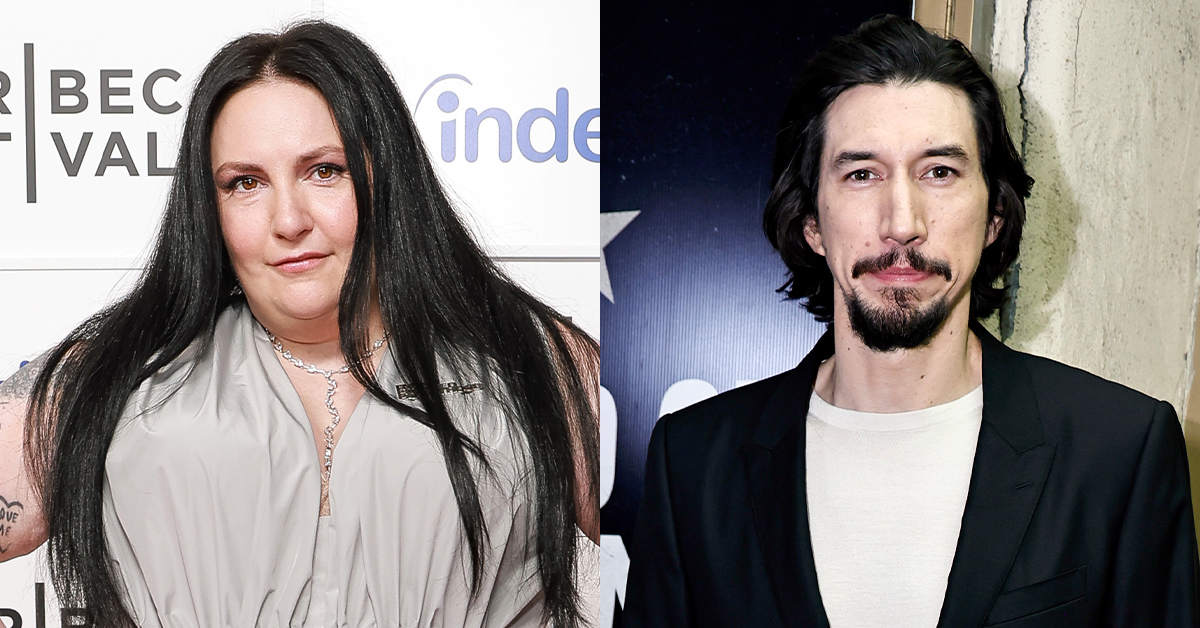
Lena Dunham is revisiting her early years on Girls—and offering a more complicated perspective on what that experience looked like behind the scenes.
In her upcoming memoir Famesick, the writer, director, and actor reflects on her working relationship with Adam Driver during the HBO series’ run. The show, which premiered in 2012, marked a defining moment in Dunham’s career, launching her into the spotlight at just 25 years old.
Driver, who was around 28 at the time, played Adam Sackler—one of the show’s most memorable characters and a central figure in the series’ dynamic.
According to Dunham’s account, however, their off-screen interactions were not always smooth.
In the book, she alleges that Driver exhibited behavior on set that she now views as difficult, including moments where he reportedly punched a hole in the wall of his trailer, screamed at her, and threw a chair at a wall near where she was standing.
Looking back, Dunham frames those experiences through the lens of her age and mindset at the time.
“At the time, I didn’t have the skill to … it never entered my mind to say, ‘I am your boss, you can’t speak to me this way.’ And, at that point in my 20s, I still thought that’s what great male geniuses do: eviscerate you. Which is weird, because I was raised by a male genius who would never do that,” she told The Guardian.
The reflection speaks less to a single moment and more to a broader environment—one where power dynamics, expectations, and creative intensity often blur.
Since Girls, both Dunham and Driver have gone on to build significant careers in their own right. Driver has become one of Hollywood’s most in-demand actors, while Dunham has continued to write, direct, and produce across multiple platforms.
In discussing her present-day perspective, Dunham made it clear that her experiences have evolved—and that her view of collaboration has shifted as well.
She added that she now does have “lots of amazing men in my life.”
She named a few: “Judd [Apatow] is a great hero of mine; Tim Bevan at Working Title is a huge part of my life and so is cinematographer Sam Levy. I just worked with Mark Ruffalo, the most thoughtful, sensitive, politically engaged, beautiful person. There’s plenty of them walking around.”
The comments offer a more balanced reflection—acknowledging past challenges while also recognizing the positive working relationships she’s built since.
As Famesick prepares for release, Dunham’s recollections are likely to spark conversation—not just about specific individuals, but about the broader realities of creative workplaces, especially for young creators navigating authority for the first time.