
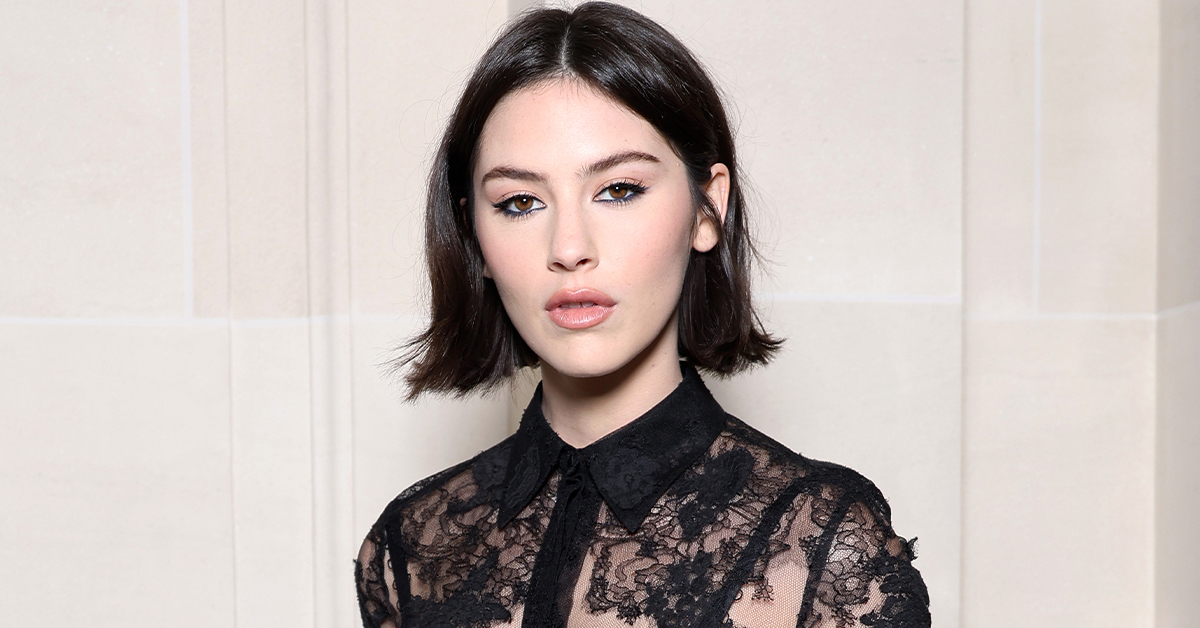
Gracie Abrams isn’t shying away from one of the most persistent conversations surrounding her career.
The singer-songwriter, whose deeply personal lyrics and intimate songwriting have earned her a devoted fan base, addressed the “nepo baby” label head-on during a recent appearance on The New York Times’ Popcast podcast. Rather than dismissing the discussion, Abrams acknowledged the advantages she grew up with and reflected on how those opportunities shaped both her life and her music.
Abrams, 26, is the daughter of filmmaker J.J. Abrams and Bad Robot Productions CEO Katie McGrath. As her profile has continued to rise—from acclaimed albums to sold-out tours and collaborations with some of pop music’s biggest stars—her family background has remained part of the public conversation.
During the interview, Abrams made it clear that she understands why people bring it up.
“The nepo stuff is obviously in the discourse appropriately,” Gracie said. “I think about the privilege there, and it’s like, I had a safety net, and that allowed me the ability to experiment and to concentrate, and I had the gift of time to dedicate to doing this thing I loved.”
Rather than minimizing the role privilege played in her journey, Abrams explained that financial stability gave her something many aspiring artists don’t have: the freedom to focus on developing her craft without the constant pressure of worrying about making ends meet.
“I wasn’t growing up afraid financially, and that’s the biggest deal,” she added.
The singer’s response has resonated with many fans because it avoids the defensiveness that often accompanies conversations about industry connections. Instead, Abrams acknowledged that her upbringing created opportunities while also recognizing that success still required years of songwriting, performing, and building a loyal audience.
She also spoke about another advantage that came with growing up in a creative household.
According to Abrams, being surrounded by storytellers from an early age influenced the way she thinks about writing and expressing herself.
“The specific household that I was born into, there is just this vocabulary that I’m so lucky to grow up with,” she said. “So like, when I see people pointing that out, it’s like, I get it, hard-core. The jokes and things, I understand the tone of the Internet.”
Those experiences helped shape her artistic instincts long before she released her first songs.
Even so, Abrams has spent years carving out her own identity as a musician. Her emotionally honest songwriting and understated pop sound have earned widespread praise, while her live performances and opening slots for major artists introduced her music to increasingly larger audiences.
Now, she’s preparing to enter another chapter of her career.
During the podcast, Abrams also discussed her upcoming third studio album, Daughter From Hell, revealing that it explores one of the most personal relationships in her life: the bond she shares with her mother.
The record revisits difficult moments from her childhood and adolescence while reflecting on how that relationship has changed over time.
“It felt like the first time I was able to write a song, but really write anything other than a text apologizing to my mom for being so brutal growing up,” the “That’s So True” singer said.
The comment offers a glimpse into the emotional honesty fans have come to expect from Abrams’ songwriting. Throughout her career, she’s built a reputation for writing songs that examine complicated emotions with striking vulnerability, and it appears her next album will continue that tradition.
Fortunately, Abrams says those difficult years are firmly in the past.
Today, she describes her relationship with her mother as incredibly close.
“She is like, my favorite person. We FaceTime. I call her like six times a day.”
That evolution—from teenage conflict to deep friendship—forms one of the emotional foundations of Daughter From Hell and reflects Abrams’ willingness to explore complicated family dynamics through her music.
As anticipation builds for the album’s release, Abrams’ latest interview offers fans a clearer understanding of both the artist and the person behind the songs. By openly discussing privilege, acknowledging the opportunities she was given, and speaking honestly about her family relationships, she’s continuing to approach difficult conversations with the same openness that has become a hallmark of her songwriting.