
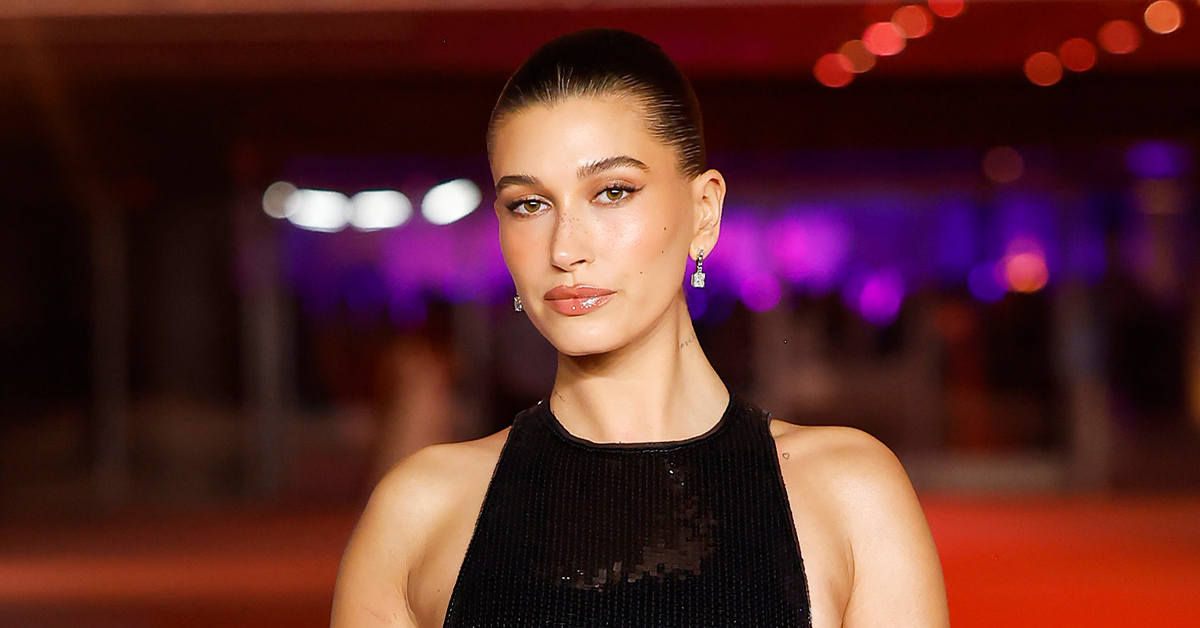
Hailey Bieber is reportedly taking legal action against a TikTok creator after the influencer made claims about her marriage to Justin Bieber. The situation escalated quickly, and it’s become one of those internet moments that spirals beyond the original post.
The TikToker in question, Julie Theis, posted a video analyzing celebrity couples she believes are romanticized. Her thesis is blunt: some relationships are praised because the woman “tolerates mediocrity, abuse, doing the majority of domestic and emotional labor in exchange for being in a relationship.”
“There is no better example than Hailey Bieber and Justin Bieber,” Theis said in the video. She then claimed that Hailey, 29, has stayed with Justin, 31, because she “will tolerate that abuse.”
Theis went further, calling Justin an “addict” and alleging abuse within the couple’s relationship. After the TikTok started gaining traction, Hailey and Justin reportedly responded with a cease and desist letter. Their attorney sent the legal notice to Theis, accusing her of creating “a false defamatory narrative,” according to legal documents obtained by TMZ.
“Your contact is wrongful, highly demanding, actionable, and exposes you to sustainable liability,” the letter continued.
Things intensified when other TikTokers shared alleged proof that Hailey reposted a video that combined Theis’ original clip with footage of the couple. That same day, Hailey took to her Instagram Story to address the rumors directly.
“Hey! I know you guys who live on the internet are really bored, but I didn’t repost any video speaking on my relationship. Have a beautiful Saturday!”
Theis responded with a statement shared with People. In it, she argued that her video was an opinion-based commentary about relationship dynamics and power.
Her statement reads: “Attempts to intimidate or silence that kind of speech are concerning, not just for creators, but for public discourse as a whole. This situation isn’t about defamation; it’s about whether independent voices are allowed to express opinions about public and powerful figures without being met with legal pressure. It’s elitist to treat disagreement as something that should be erased. Disagreement is not defamation, and commentary should not require permission.”
Theis also addressed the backlash she received after posting the video. She said she received messages containing threats of physical harm, which she described as “real crimes.”
“What’s also worth noting is the pattern of escalation that often follows moments like this,” she wrote. “Since speaking out, I’ve received messages containing explicit threats of physical harm — real crimes — in response to an opinion. I’m not speculating about who is behind these messages, but I do find it notable that many originate from anonymous or faceless accounts. That kind of response doesn’t strengthen an argument; it reinforces why intimidation is such a corrosive force in public conversation.”