
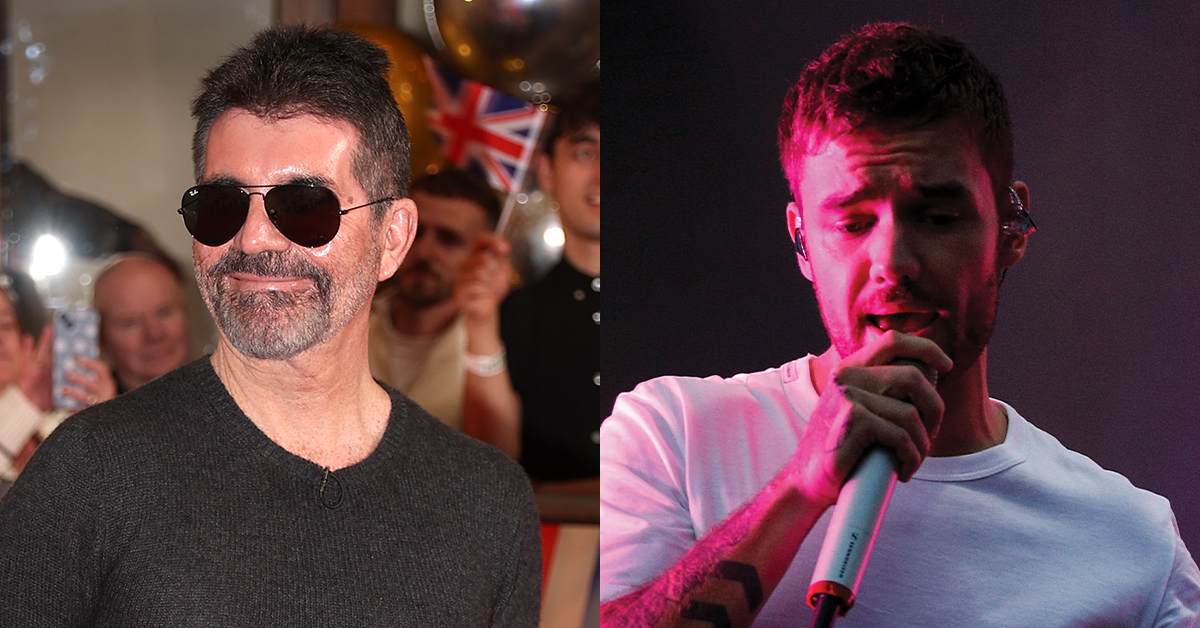
Simon Cowell is breaking his silence about something that has weighed heavily on fans — and, it seems, on him too. In the wake of Liam Payne’s tragic death last year at age 31, some people online began revisiting One Direction’s early years under The X Factor and Syco Records, questioning whether the pressures of the industry and their management played a role. Now, at 66, Simon is addressing those conversations with rare candor.
The music mogul — who helped form One Direction on The X Factor in 2010 and later signed the band — spoke about the criticism during a conversation on the Rolling Stone Music Now podcast. While Simon made it clear he avoids doomscrolling comment sections, he also didn’t shy away from the emotional weight of the topic.
“I don’t read any of this stuff because if I did, you would just torture yourself,” he explained. “The idea that you are essentially responsible for somebody’s life, 10 years after you’ve signed someone? You can’t do that.”
Simon described the moment he learned about Liam’s death, sharing that the loss hit him deeply. Despite the distance that often forms between artists and their former label heads, Simon revealed that he and Liam still kept in touch.
“When I heard the news, it really hit me. I saw him a year before this happened. He came over to my house. We talked about his son and being a dad. I remember saying, ‘Music is not everything. Don’t let it run your life anymore. Find something else that you are passionate about,’” he recalled.
That advice, coming from someone known for his no-nonsense critiques and sharp industry instincts, paints a softer, more human portrait of Simon — someone who recognized the pressures Liam was under and encouraged him to seek peace beyond fame.
He also opened up about the inevitable self-questioning that follows a tragedy like this.
“You ask yourself that question: ‘Could I have done anything more? What would’ve happened to Liam if he hadn’t been in the band?’” Simon said. But he added that conversations with Liam’s parents helped him find some clarity: “Having spoken to his mom and dad recently, all they kept telling me was he was so proud of what he had achieved. I wish I could turn back the clock, of course. When I spoke to him that day, I felt really good about him. I thought, ‘Wow, you seem in a really good place.’”
While he didn’t comment on any specific claims or social media discourse, Simon’s reflections offer a nuanced and compassionate perspective. It’s a reminder that behind the headlines, the boyband machine, and the global fame, there were real people building relationships, navigating pressures, and trying their best.
And for Simon? The grief is still real — and so is the responsibility he feels to honor Liam’s memory.