
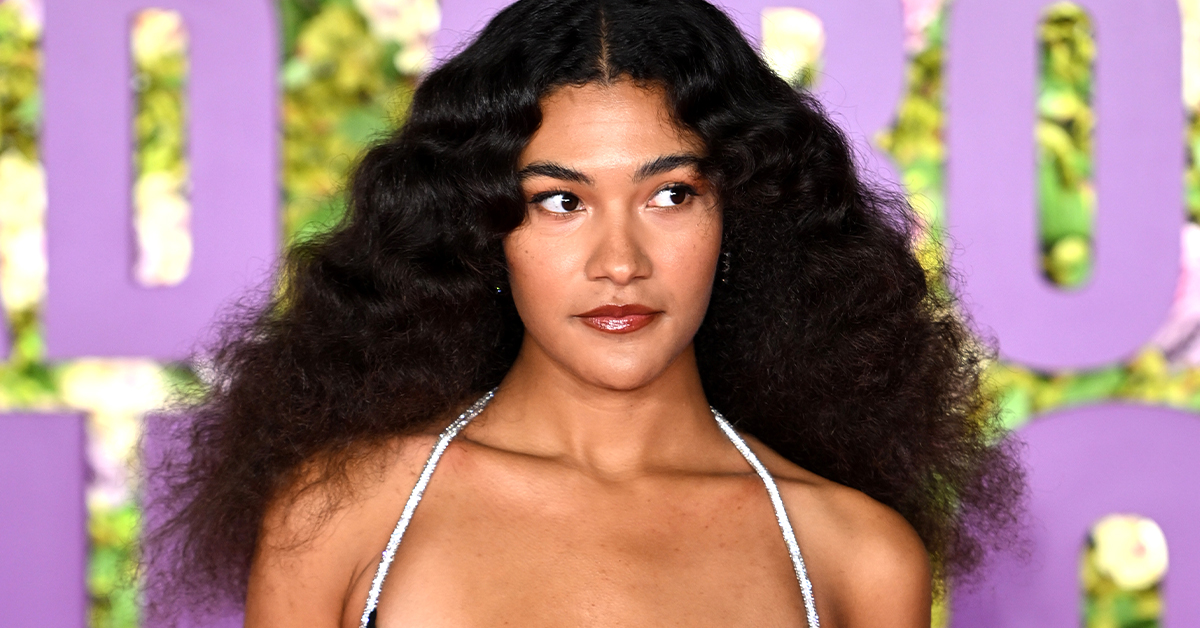
Olivia Dean is taking aim at Ticketmaster, Live Nation, and AEG after her highly anticipated 2026 U.S. and Canada tour sold out in a matter of minutes, leaving fans scrambling to find tickets at exorbitant resale prices. The “Man I Need” singer is known for her soulful vocals and connection with her audience, and the resale fiasco has clearly struck a nerve.
“Hello world! I’m sorry that there seems to be an issue with ticket re-selling and pricing. My team are currently looking into it,” Olivia wrote on her Instagram Stories on Friday (November 21), addressing the situation directly to fans.
The singer didn’t hold back her frustration, further elaborating: “It is extremely frustrating as the last thing I want is for anyone to be scammed or overcharged for our show 🙁 Please be wary of buying tickets in the comment sections as it is most likely a scam.” Her concern for fans is evident, as she warns of predatory practices and the inflated costs of secondary ticket markets.
In a pointed critique, Olivia called out the companies responsible: “Ticketmaster, Live Nation, AEG: You are providing a disgusting service. The prices at which you’re allowing tickets to be re-sold is vile and completely against our wishes. Live music should be affordable and accessible and we need to find a new way to make that possible. BE BETTER.”
Ticketmaster responded to the criticism by posting Olivia’s statement on their Instagram story, noting, “We support artists’ ability to set the terms of how their tickets are sold and resold. @OliviaDeano, we will cap resale prices on our site at face value and hope other resale sites will follow.”
Despite the attempted solution, the reality is that resale tickets remain the primary avenue for securing spots at her shows, including arenas like Madison Square Garden in New York and the Crypto.com Arena in Los Angeles. Fans seeking tickets must navigate resale platforms such as Stubhub and Vivid Seats, often paying well above the face value.
Olivia Dean’s candid response highlights a recurring tension in the music industry: balancing high demand and live event accessibility. Fans expect affordability and fairness, yet resale markets can often undermine that trust. By speaking out, Olivia is championing her audience, demonstrating that artists are increasingly willing to challenge systemic issues in ticket sales.
As Olivia Dean prepares for her upcoming tour, her transparent communication sets a precedent: prioritizing fans, questioning unjust practices, and standing firm on principles in an industry often criticized for its profit-driven mechanisms.